Dr. Alexandre S. Cristino
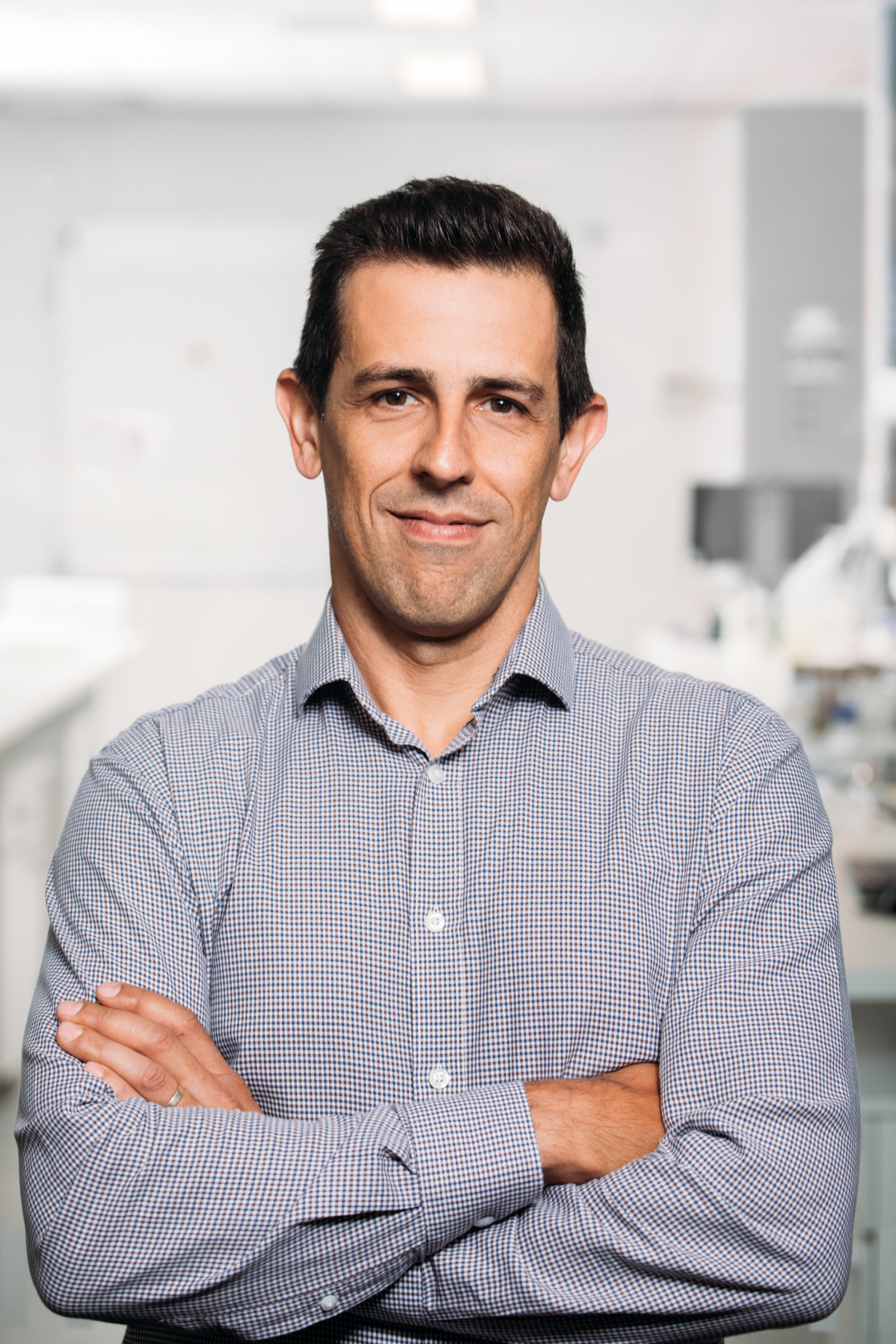
Dr Alexandre Cristino is a mid-career molecular biologist (MSc in Genetics, 2002, University of São Paulo, Brazil) and bioinformatician (PhD in Bioinformatics, 2007, University of São Paulo, Brazil) with an extensive track record in multidisciplinary research spanning bioinformatics, systems biology, molecular biology, neurological disorders, and cancer.
He has published 49 peer-reviewed articles with an h-index of 30 and more than 6,200 citations (Google Scholar). Dr Cristino has made major contributions to high-impact studies published in leading journals including Nature, Science, Molecular Psychiatry (one first/corresponding author and two senior author papers), Blood (first/corresponding author), Nature Communications (one first author and one co-author paper), and Clinical and Translational Medicine (senior author).
In 2015, Dr Cristino established an independent research program in functional neurogenomics and systems biology as a group leader at the University of Queensland Diamantina Institute (now Fraser Institute, Translational Research Institute). In January 2019, he was recruited to Griffith University as a strategic appointment to lead a multidisciplinary research program at the Griffith Institute for Drug Discovery (now the Institute for Biomedicine and Glycomics).
His excellence in research training and mentoring is demonstrated by 20 completed higher degree research supervisions (6 PhDs, 6 MSc, and 8 Honours). Dr Cristino has secured over $9M in competitive funding, including an NHMRC 2023 Ideas Grant, an MRFF 2022 Stem Cell Therapies Mission Grant, an MRFF 2021 Rare Cancers, Rare Diseases and Unmet Need Grant, an ARC Discovery Project, multiple internal and philanthropic grants (>$1.6M), and five PhD scholarships as principal supervisor.
Neurogenomics · Systems Biology · Regulatory non-coding RNAs (miRNA, circRNA) · Gene network analysis · Multi-omics · Schizophrenia · Alzheimer's disease · Rare genetic diseases · Cancer immunotherapy
Current Affiliation
Institute for Biomedicine and Glycomics (IBG)
Griffith University, Nathan Campus
Brisbane QLD 4111, Australia
ORCID